
In today's digital world, technology has become an essential part of education, especially for students studying tech-related fields. However, not all students have equal access to the gadgets and devices needed for their studies. This digital divide creates significant challenges that affect their academic performance and future opportunities.
Without access to modern devices, tech students miss out on the hands-on practice that is so important for learning. Imagine trying to learn how to drive a car by only reading about it in books, without ever sitting behind the wheel. That's what it's like for tech students who don't have proper gadgets. They read about programming, design, and other tech skills but can't actually practice them.
The Struggle with Software-Based Assignments
Most tech courses today require students to use specific software for their assignments. Programming students need to write and test code. Graphic design students need photo and video editing software. Engineering students need simulation programs. When students don't have the right devices, they can't complete these assignments properly.
Many students end up depending on school computer labs, which often have limited hours and too many students trying to use too few computers. This means they can't work on assignments when they need to, and they have to rush through their work when they do get computer access. The quality of their work suffers because they don't have enough time to experiment, make mistakes, and learn from them.
Some students try to use older devices that can't run the necessary software. A five-year-old laptop might struggle with modern programming tools or design software. It might crash frequently or run so slowly that it becomes frustrating to use. This technical frustration adds unnecessary stress to an already challenging learning process.
Missing Out on Digital Literacy
Digital literacy means more than just knowing how to use a computer. For tech students, it means understanding how different systems work together, how to troubleshoot problems, and how to adapt to new technologies. Without regular access to devices, students don't develop these important skills.
Think about it this way: a medical student needs to practice with medical equipment to become a good doctor. A tech student needs to practice with technology to become good at their field. The constant hands-on experience is what builds confidence and competence. Students without gadgets miss this essential part of their education.
Many modern tech tools require cloud-based collaboration. Students need to work together on projects using shared documents, version control systems, and online communication tools. When some students don't have reliable device access, they can't participate fully in these collaborative learning experiences. They become isolated from their peers and miss important teamwork skills.
Limited Exposure to Industry Tools
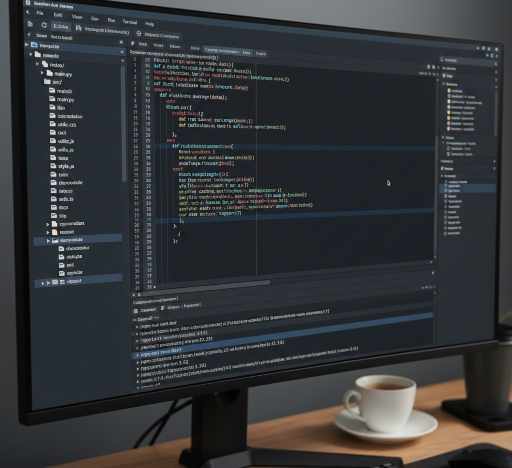
The tech industry moves quickly, with new tools and technologies emerging all the time. Educational programs try to keep up by teaching students the tools that companies actually use. But these tools often require powerful computers or specific devices that many students can't afford.
For example, a student learning video game development might need to use game engines like Unity or Unreal Engine. These programs require computers with good graphics cards and plenty of memory. A student with only a basic laptop or smartphone simply can't run these industry-standard tools.
This creates a serious disadvantage when these students enter the job market. Employers expect graduates to be familiar with current industry tools. Students who haven't had hands-on experience with these tools during their education start their careers already behind their better-equipped peers.
The problem goes beyond just software. Many tech fields now require experience with hardware too. Robotics students need to work with physical components. Internet of Things (IoT) students need sensors and microcontrollers. Virtual reality students need headsets and controllers. Without access to this equipment, their education remains theoretical rather than practical.
Impact on Learning Pace and Quality
Students without proper gadgets often fall behind in their studies. They spend more time trying to find access to technology than actually learning. While their classmates are practicing coding at home, they might be waiting in line at a library computer or traveling to a friend's house to borrow a device.
This constant struggle affects not just their technical skills, but their overall academic performance. They have less time for homework, studying, and projects. They miss deadlines or submit lower-quality work because they couldn't put in the necessary time and effort. The stress of constantly trying to find technology access can also affect their mental health and motivation.
The quality of learning suffers significantly. Tech education works best through a cycle of learning, practicing, making mistakes, and learning from those mistakes. Without devices for practice, students only get the first part of this cycle. They learn concepts in class but don't get to apply them until much later, if at all.
"Access to technology is no longer a luxury in tech education - it's as essential as textbooks and classrooms. Students without proper devices face barriers that can affect their entire academic journey and future career prospects."
The Creativity Gap
Technology isn't just about following instructions - it's about creativity and innovation. Students with regular access to devices have the freedom to experiment. They can try new things, build personal projects, and explore their interests. This is where real learning and passion development happens.
Students without devices miss these opportunities for creative exploration. They can't stay up late working on a passion project. They can't quickly test an idea that comes to them. They can't build a portfolio of personal work to show potential employers. This lack of creative freedom limits their development as innovators and problem-solvers.
The best learning often happens outside of structured assignments. It happens when a student tries to build something for fun, or solves a personal problem with technology. Without device access, students miss these valuable learning experiences that can't be replicated in a classroom.
Practical Skill Development Challenges
Tech fields require specific practical skills that can only be developed through regular practice. Programming students need to develop debugging skills - the ability to find and fix errors in code. This requires writing lots of code and seeing what breaks. Without a personal device for regular practice, this skill develops slowly if at all.
Similarly, cybersecurity students need to practice identifying and preventing security threats. Web development students need to build and test websites across different browsers and devices. Data science students need to work with large datasets that require powerful computers. Each tech specialization has its own practical requirements that are hard to meet without proper equipment.
The problem compounds over time. A first-year student who struggles with basic assignments due to device limitations starts their second year already behind. By the time they graduate, the gap between them and their better-equipped classmates can be substantial.
Social and Psychological Impacts
The device gap doesn't just affect academic performance - it affects students socially and psychologically too. Students without proper gadgets often feel left out of study groups and collaborative projects. They might feel embarrassed about their situation or worry about being judged by their peers.
This can lead to social isolation at a time when networking and building professional relationships is important. Many tech students form study groups, work on projects together, and share resources. Students without devices can't fully participate in these social learning experiences.
The constant stress of trying to keep up without proper tools can affect mental health. Students might feel anxiety about assignments they can't complete properly, frustration about falling behind, or hopelessness about their future prospects. These feelings can affect their overall well-being and academic motivation.
Long-Term Career Consequences
The academic disadvantages caused by lack of gadgets don't end at graduation - they extend into students' careers. Employers looking at recent graduates' portfolios want to see practical projects and experience with current tools. Students who couldn't build this experience during their education start their job search at a disadvantage.
Even after getting a job, the effects can continue. The hands-on experience gap might mean it takes longer to get up to speed with workplace tools and practices. This can affect job performance, promotion opportunities, and long-term career growth.
In the tech industry, where continuous learning is essential, the habit of regular practice and self-directed learning is crucial. Students who couldn't develop this habit during their education due to device limitations might struggle with ongoing professional development throughout their careers.
Possible Solutions and Support Systems
Fortunately, there are ways to address this challenge. Some educational institutions have created device lending programs, where students can borrow laptops or tablets for the semester. These programs recognize that device access is an educational necessity, not a luxury.
Other solutions include creating better-equipped computer labs with longer hours, offering cloud-based solutions that can run on less powerful devices, and designing curriculum that considers students with varying levels of technology access. Some schools partner with tech companies to provide software licenses or discounted devices for students.
Open source software can also help, as it's often free and can run on older hardware. Online learning platforms that work well on mobile devices can make education more accessible. Creative scheduling that gives all students adequate lab time can help level the playing field.
Financial aid programs that specifically help with technology purchases can make a big difference. Some schools now include technology allowances in their financial aid packages, recognizing that a computer is as essential as textbooks for modern education.
The Importance of Addressing the Digital Divide
As technology continues to advance and become more integrated into education, the digital divide becomes an increasingly serious equity issue. Ensuring all students have access to the tools they need for their education isn't just about fairness - it's about developing the diverse tech talent our society needs.
When talented students can't reach their full potential because of device limitations, everyone loses. We miss out on their innovations, their problem-solving abilities, and their contributions to the tech industry. By addressing the gadget access problem, we open up tech education to a much wider range of talented individuals.
Educational institutions, governments, and the tech industry all have roles to play in solving this problem. Through partnerships, creative solutions, and a recognition of technology as an educational necessity rather than a luxury, we can work toward a future where all tech students have the tools they need to succeed.
The conversation about technology in education needs to include not just how to use it, but how to ensure everyone can access it. Only then can we truly prepare all students for success in our increasingly digital world.