
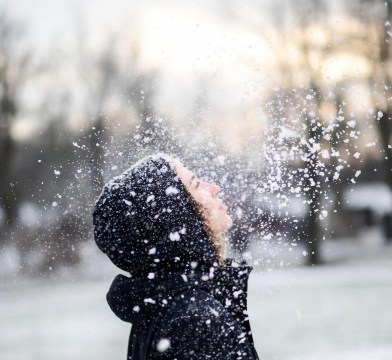

In a surprising turn of weather events, 2025 has witnessed unusually early snowfall across numerous countries worldwide. From North America to Europe and even some unexpected regions, winter seems to have arrived months ahead of schedule. This unusual weather pattern has sparked conversations about climate patterns, with many experts suggesting this might indicate minimal climate change rather than the extreme warming often discussed.
Let's explore the countries that experienced this early snow and what it means for our understanding of climate patterns.
North America's Early Winter Surprise
Canada experienced its earliest snowfall in decades, with parts of Alberta and British Columbia seeing snow in late September. Normally, these regions wouldn't expect significant snowfall until late October or November. Residents woke up to white-covered landscapes, with some areas receiving up to 15 centimeters of snow overnight. This early winter has affected agriculture, with farmers rushing to harvest crops before the frost damaged their yield.
The United States saw similar patterns, particularly in northern states like Montana, Wyoming, and Minnesota. Some mountainous regions reported snowfall as early as mid-September, breaking records that had stood for over fifty years. The early snow caught many communities unprepared, with summer equipment still in use and winter preparations not yet begun.
Europe's Unexpected White Blanket
Switzerland and Austria reported snowfall in their alpine regions during what should have been peak hiking season. Tourist resorts that typically welcome autumn visitors for colorful foliage found themselves dealing with winter conditions instead. The early snow disrupted transportation in mountain passes and forced early closures of some seasonal roads.
Scandinavian countries including Norway, Sweden, and Finland saw snow arrive several weeks earlier than normal. In northern parts of these countries, where winter comes early anyway, the snow arrived exceptionally soon. What surprised meteorologists was how far south the snow reached, with central regions experiencing winter conditions much earlier than historical averages.
Russia witnessed widespread early snowfall across Siberia and western regions. Some areas reported the earliest snow cover in recorded history, with temperatures dropping suddenly in late September. This early winter affected transportation, agriculture, and daily life in numerous communities.
Unexpected Regions Joining the Early Snow Club
What makes 2025 particularly interesting is that regions not typically associated with early snow experienced winter conditions:
Japan's northern island of Hokkaido saw snow in early October, about three weeks earlier than average. The early snowfall affected the famous autumn foliage season, with trees still holding colorful leaves under a blanket of white—a rare and beautiful sight, but concerning for climate scientists.
Mongolia experienced unusually early and heavy snowfall that affected nomadic herders. The early winter conditions came before many herders could move their animals to winter pastures, creating challenges for livestock management and traditional ways of life.
Patagonia in South America saw early snowfall in the Andes mountains, affecting regions of Chile and Argentina. The early winter conditions came during what should have been spring in the Southern Hemisphere, creating confusion and adjustment for local communities and tourists alike.
What Does This Early Snow Mean for Climate Change?
The widespread early snowfall in 2025 has led some climate observers to question the narrative of rapid global warming. While climate change is a complex phenomenon with many variables, this pattern of early winter conditions suggests that natural climate variability remains strong.
Meteorologists point to several factors that might explain this unusual pattern:
Ocean Current Variations
Changes in ocean currents, particularly in the Pacific and Atlantic, have influenced weather patterns globally. Cooler ocean temperatures in certain regions have led to earlier and colder winters in adjacent land areas. These natural variations in ocean currents occur over decades and can significantly impact seasonal weather patterns.
Atmospheric Circulation Patterns
Shifts in the jet stream and other atmospheric circulation patterns have brought cold air southward earlier than usual. These patterns are part of Earth's natural climate system and can vary significantly from year to year. The specific configuration in 2025 favored early winter conditions across multiple continents.
Solar Activity Cycles
Some researchers suggest that solar activity cycles may play a role in climate variations. While the sun's influence on Earth's climate is complex and not fully understood, periods of reduced solar activity have historically coincided with cooler temperatures in certain regions.
Historical Perspective on Early Snow Events
Looking back at weather records, early snowfall events are not entirely unprecedented. Historical data shows that similar patterns occurred in the 1970s and early 1990s. What makes 2025 noteworthy is the geographical spread of early snow across so many different regions simultaneously.
Climate scientists emphasize the importance of distinguishing between weather (short-term conditions) and climate (long-term patterns). A single year of early snow doesn't disprove long-term climate trends, but it does highlight the complexity of Earth's climate system.
Impact on Agriculture and Food Production
The early snowfall has had significant effects on agriculture in affected regions:
Crop Damage: Many farmers faced unexpected frost damage to crops that weren't ready for harvest. Fruits, vegetables, and grains that needed more growing time were lost to early frost and snow.
Harvest Timing: The early winter forced rushed harvests, which can affect crop quality and storage potential. Properly timed harvests are crucial for maximizing yield and nutritional value.
Livestock Management: Early snow created challenges for livestock farmers who needed to provide shelter, food, and water in conditions they hadn't prepared for yet.
Effects on Wildlife and Ecosystems
The early winter has also affected wildlife in surprising ways:
Migration Patterns: Birds and other migratory animals found themselves facing winter conditions before their typical migration time. This could affect survival rates and breeding success in the following season.
Food Availability: Animals that rely on autumn food sources like nuts, berries, and remaining vegetation found these resources buried under snow earlier than usual.
Hibernation Timing: Some hibernating animals entered their winter sleep earlier than normal, which could affect their energy reserves and survival through the longer winter.
Human Adaptation and Response
Communities affected by the early snow have had to adapt quickly:
Infrastructure Readiness: Many municipalities found themselves deploying snow removal equipment and winter road treatments earlier than budgeted or planned.
Energy Demands: Heating needs surged unexpectedly, putting pressure on energy systems and household budgets.
Seasonal Businesses: Tourism, agriculture, and other seasonal industries had to adjust their operations and expectations for the year.
Looking Ahead: What to Expect
Climate scientists are closely monitoring these developments to understand what they might mean for future weather patterns. Several possibilities emerge:
Colder Winter Ahead: Early snowfall often, though not always, indicates a colder than average winter to follow. Many regions should prepare for potentially harsh winter conditions.
Natural Climate Cycles: This pattern may be part of larger natural climate cycles that operate over decades. Understanding these cycles helps us prepare for future variations.
Complex Climate System: Events like this remind us that Earth's climate system is incredibly complex, with multiple factors interacting in ways we're still learning to understand.
Preparing for Climate Variability
Regardless of whether this early snow indicates minimal climate change or simply natural variation, it highlights the importance of being prepared for climate variability:
Agricultural Flexibility: Farmers may need to consider more flexible planting and harvesting schedules, as well as crop varieties that can handle unexpected weather changes.
Infrastructure Resilience: Communities should ensure their infrastructure can handle weather extremes, whether early winters, heat waves, or other unusual conditions.
Emergency Preparedness: Households and communities should maintain readiness for unexpected weather events throughout the year.
Conclusion: A Reminder of Nature's Complexity
The early snowfall across multiple countries in 2025 serves as a powerful reminder of the complexity of Earth's climate system. While much attention focuses on global warming trends, natural climate variability continues to play a significant role in our weather patterns.
This event doesn't necessarily contradict the reality of climate change, but it does highlight that climate patterns are multifaceted. Some regions may experience warming while others experience cooling, and natural cycles continue alongside human-influenced changes.
As we move forward, the key lesson from 2025's early snow may be the importance of flexibility, preparedness, and continued scientific observation. Understanding our climate requires looking at both long-term trends and unexpected variations like this year's early winter.
Whether this pattern continues in coming years or proves to be a singular event, it has already given scientists valuable data and reminded all of us that nature still has the capacity to surprise. As communities adapt to these unexpected conditions, we gain important insights into resilience and our relationship with the natural world.