
Bypassing Traffic Congestion
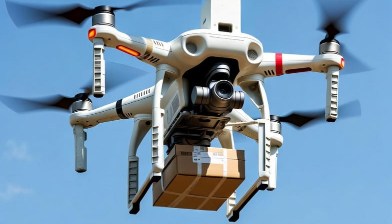
One of the biggest advantages drones have over motorcycles is their ability to fly above traffic. In crowded cities, motorcycles can get stuck in traffic jams just like cars. This causes delays in deliveries, especially during rush hours.
Drones don't have this problem. They fly directly from the warehouse to the delivery location without worrying about roads, traffic lights, or construction zones. This means packages can reach their destination much faster. For example, what might take a motorcycle 45 minutes in heavy traffic could take a drone just 10 minutes.
Significantly Reduced Delivery Times
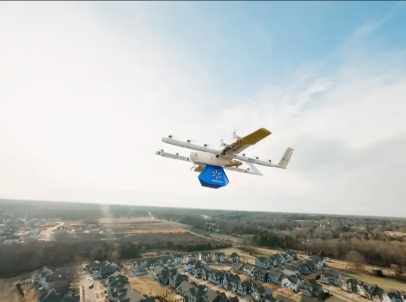
When you order something online, you want it as soon as possible. Drones make this happen by taking the most direct route possible. Unlike motorcycles that must follow roads, drones fly in straight lines from point A to point B.
This is especially important for urgent deliveries like medical supplies, emergency equipment, or time-sensitive documents. In some cases, drones can deliver items in one-third the time it would take a motorcycle. For people living in hard-to-reach areas, this difference is even more noticeable.
Real Example: In Rwanda, drones deliver blood and medical supplies to remote clinics in minutes instead of the hours it would take by road. This has saved many lives in emergency situations.
Lower Operational Costs
While drones might seem expensive at first, they actually cost less to operate than motorcycles in the long run. Let's break down why:
Motorcycles need fuel, which prices keep going up. They also need regular maintenance like oil changes, brake repairs, and engine checks. Drivers need salaries, insurance, and training. All these costs add up quickly.
Drones, on the other hand, run on electricity which is much cheaper than gasoline. They have fewer moving parts, so they need less maintenance. While they do need battery replacements and occasional repairs, these costs are generally lower than maintaining a motorcycle fleet. Most drones can be operated by one person managing several units at once.
| Cost Factor | Motorcycle Delivery | Drone Delivery |
|---|---|---|
| Fuel/Energy Cost | High (Gasoline) | Low (Electricity) |
| Maintenance | Regular & Expensive | Minimal & Less Frequent |
| Labor Cost | One driver per vehicle | One operator for multiple drones |
| Insurance | High (Accident risk) | Lower (No passenger risk) |
Minimal Environmental Impact
Climate change is a real concern, and everyone needs to do their part. Traditional delivery motorcycles burn fossil fuels that release carbon dioxide into the atmosphere. This contributes to air pollution and global warming.
Most delivery drones are electric, meaning they produce zero emissions during flight. Even when you consider the electricity needed to charge them, the total environmental impact is much smaller than gasoline-powered vehicles. As more electricity comes from renewable sources like solar and wind, drones become even cleaner.
Drones are also much quieter than motorcycles, reducing noise pollution in neighborhoods. This makes them ideal for early morning or late night deliveries when noise restrictions might prevent motorcycle deliveries.
Improved Safety
Motorcycle delivery comes with significant safety risks. Motorcyclists face dangers from other vehicles, poor road conditions, and bad weather. Accident rates for delivery motorcycles are higher than for regular passenger vehicles.
Drones eliminate this human risk factor. No one is sitting on the drone, so there's no risk to a driver's life. While drones can crash, modern models have multiple safety features like automatic return-to-home functions, obstacle avoidance systems, and parachute recovery systems for emergencies.
For the package itself, drones often provide gentler handling. They can hover in place and lower packages carefully, unlike motorcycles where packages might get jostled during the ride.
Access to Hard-to-Reach Areas
Some places are difficult or impossible for motorcycles to reach. Think about remote villages, islands, areas with poor roads, or places affected by natural disasters. Motorcycles can't cross rivers, navigate through dense forests, or reach mountain communities easily.
Drones handle these challenges easily. They can fly over water, forests, mountains, and damaged infrastructure. This makes them perfect for delivering essential supplies to isolated communities or disaster zones where traditional delivery methods fail.
24/7 Operation Capability
Motorcycle deliveries usually happen during daylight hours for safety reasons. Night deliveries are more dangerous and often require additional pay for drivers.
Drones equipped with proper lighting and navigation systems can operate safely at night. This means delivery services can run around the clock, meeting customer needs at any time. For time-sensitive items like medications, this 24/7 capability can be life-saving.
Scalability and Flexibility
As demand for delivery services grows, scaling up a motorcycle fleet means buying more bikes, hiring more drivers, and dealing with more complexity. Each new motorcycle needs registration, insurance, maintenance schedules, and parking space.
Drone fleets are easier to scale. Additional drones can be added to existing control systems with minimal extra infrastructure. During peak seasons like holidays, companies can quickly deploy more drones without the lengthy process of hiring and training new drivers.
Drones also offer more flexible routing. If a delivery location changes or a package needs rerouting mid-flight, this can often be done with a simple software update rather than calling a driver and giving new directions.
Weather and Technical Challenges
It's important to be honest about drone limitations too. Bad weather like heavy rain, strong winds, or fog can ground drones. Most commercial delivery drones can't operate in conditions that motorcycles handle easily.
Battery life is another consideration. Current drone batteries typically allow for 20-40 minutes of flight time, limiting their range. This means they're best for short to medium distance deliveries rather than long hauls.
Regulations also play a big role. Many countries are still developing rules for commercial drone operations, especially in crowded urban areas. Airspace restrictions, privacy concerns, and safety regulations can limit where and when drones can fly.
The Future of Drone Delivery
Despite current limitations, drone technology is improving rapidly. Battery technology is getting better, with new batteries offering longer flight times. Weather-resistant drones are being developed. Artificial intelligence helps drones navigate complex environments and avoid obstacles automatically.
Many experts believe we'll see a mix of delivery methods in the future. Drones will handle urgent, time-sensitive deliveries and reach difficult locations. Motorcycles and other ground vehicles will continue for larger packages and deliveries where drones aren't practical yet.
Companies like Amazon, UPS, and DHL are already testing and implementing drone delivery systems. As the technology improves and becomes more affordable, we'll likely see drone delivery become more common in our daily lives.
Looking Ahead: Within the next 5-10 years, drone delivery could become as normal as having a pizza delivered. The convenience, speed, and efficiency benefits are simply too great to ignore. While motorcycles won't disappear completely, drones will take over more and more of the delivery work, especially for small, urgent packages.
Conclusion
Drones offer clear advantages over motorcycles for many types of deliveries. They bypass traffic, deliver faster, cost less to operate, and are better for the environment. While they face challenges with weather, battery life, and regulations, these issues are being addressed as the technology improves.
For consumers, drone delivery means getting packages faster and more reliably. For businesses, it means lower costs and happier customers. For society, it means cleaner, quieter deliveries with fewer traffic accidents.
The shift from motorcycles to drones for delivery is happening right now. While change can be unsettling, the benefits are clear. As we move forward, embracing drone technology will help create a more efficient, sustainable, and responsive delivery system for everyone.